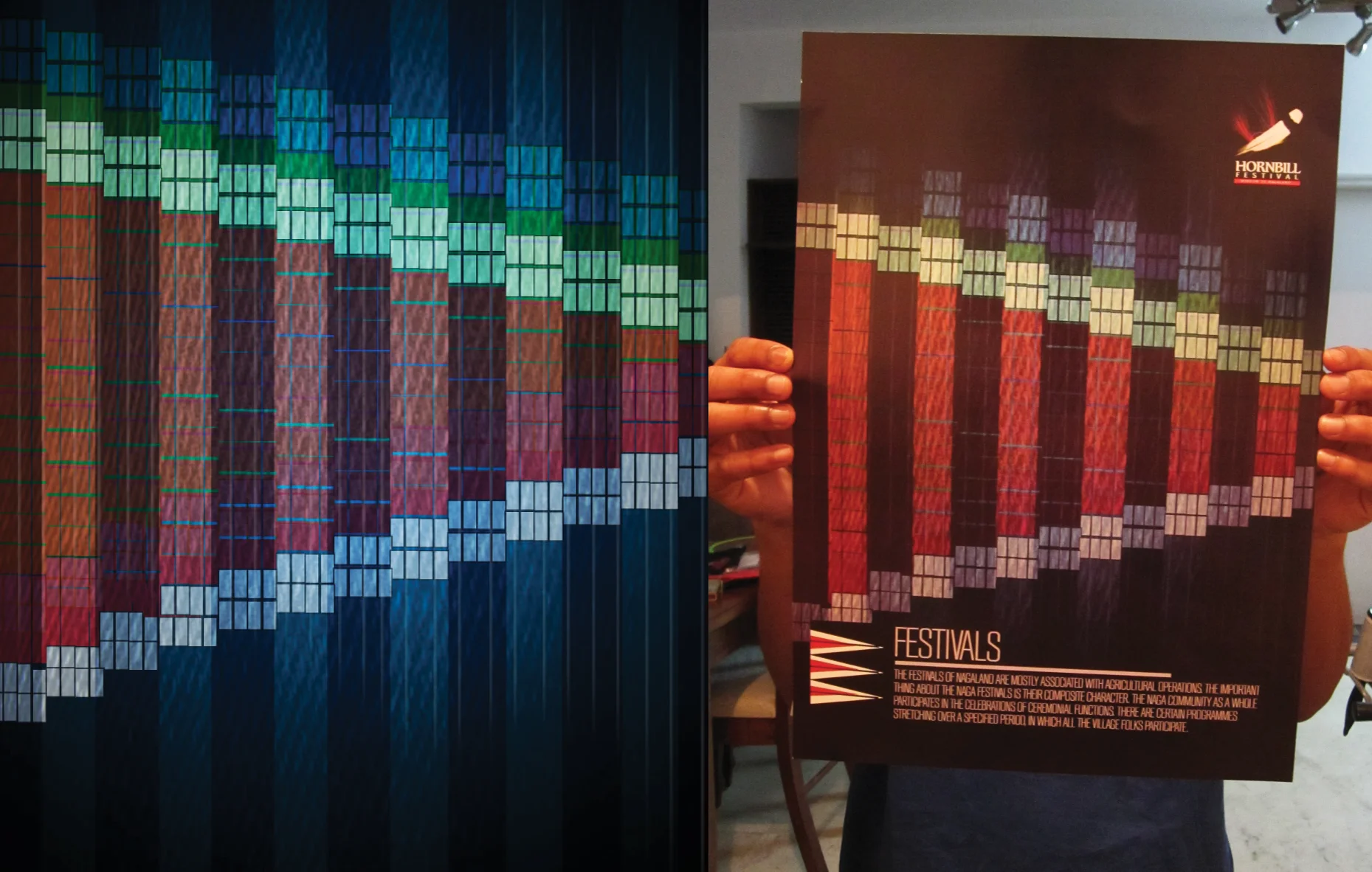
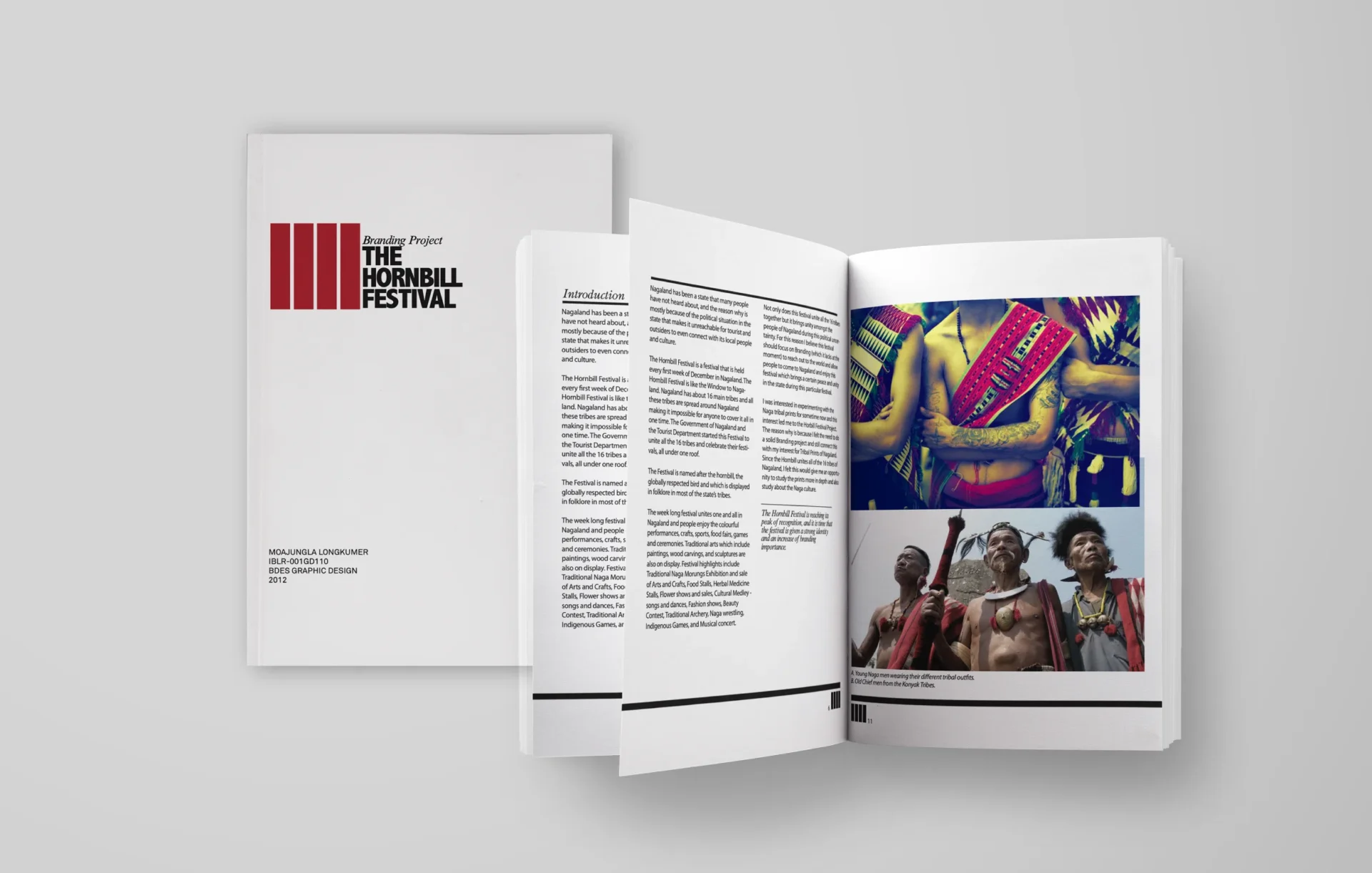
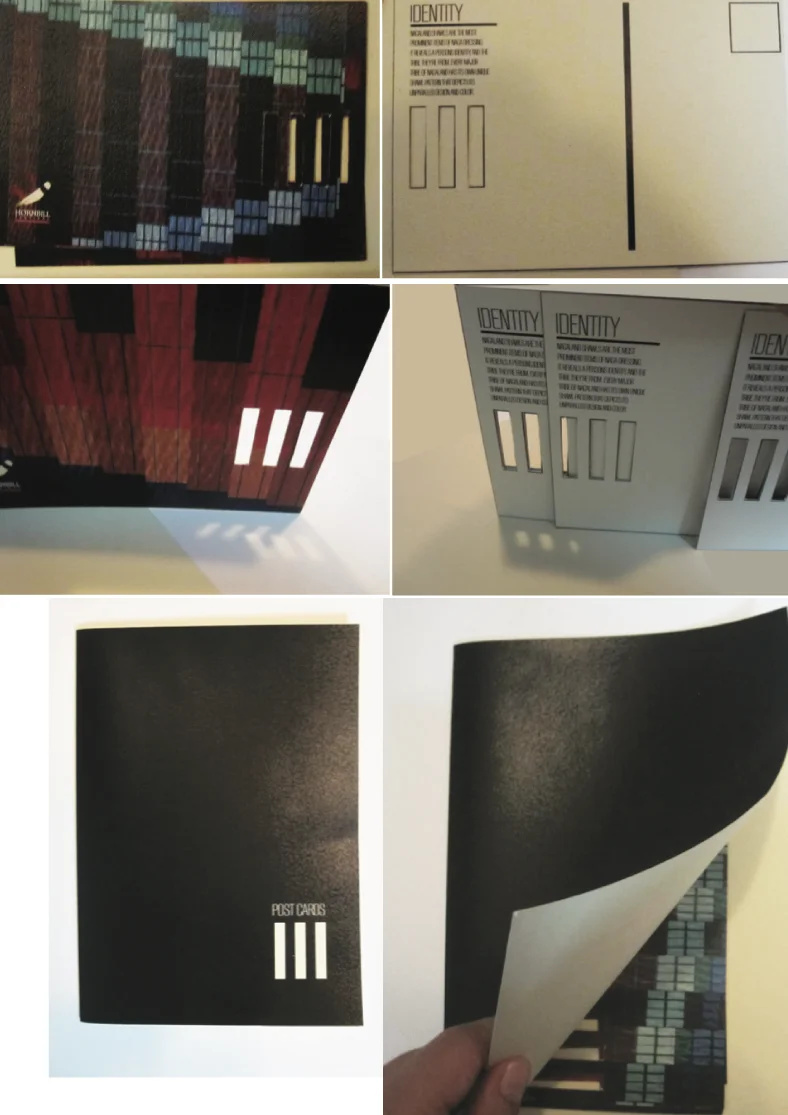
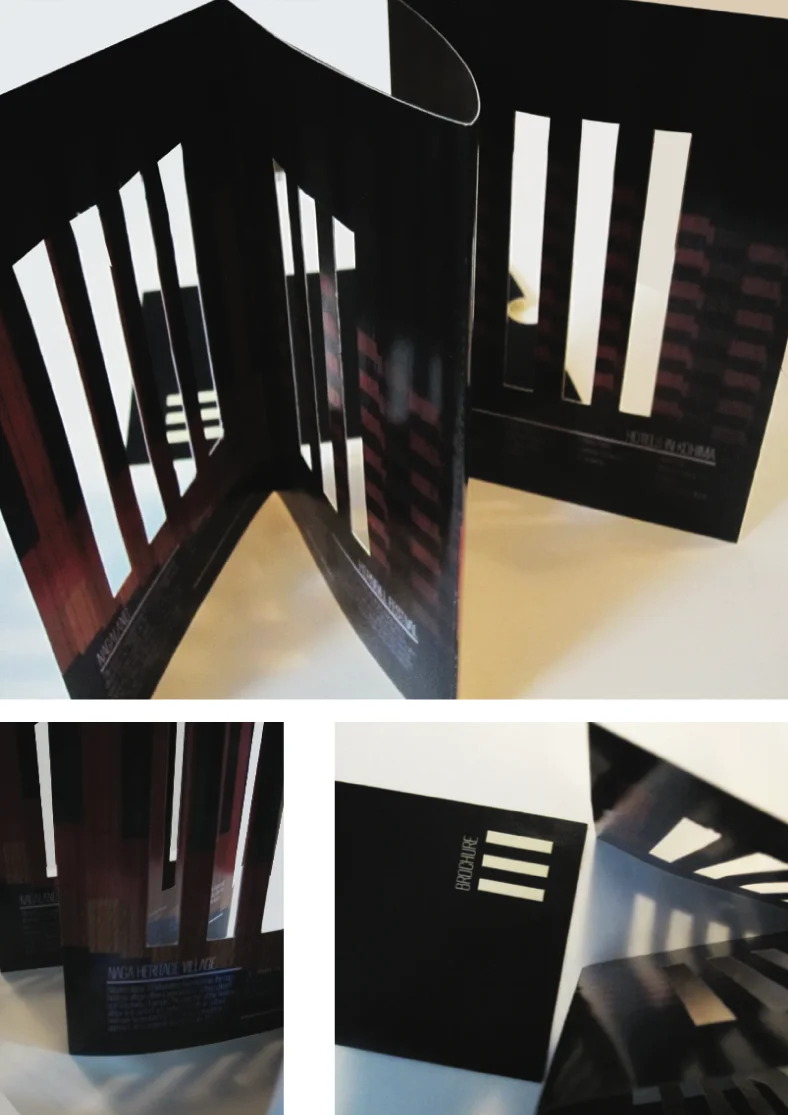
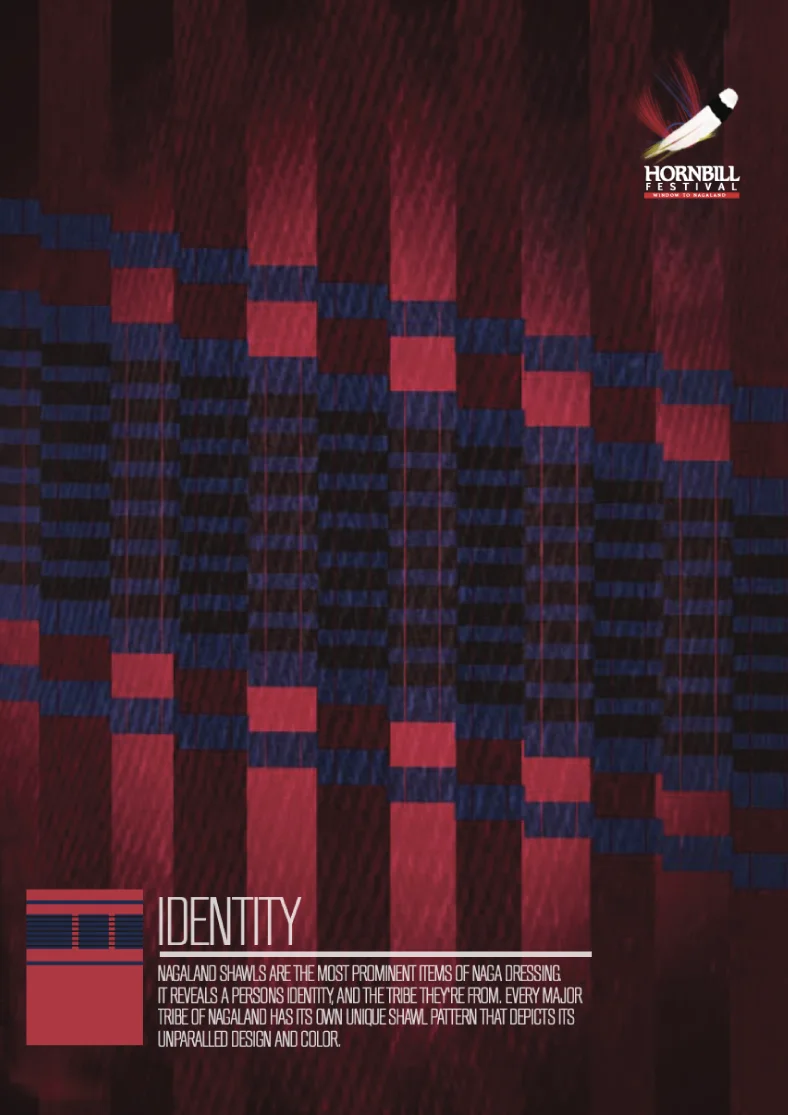
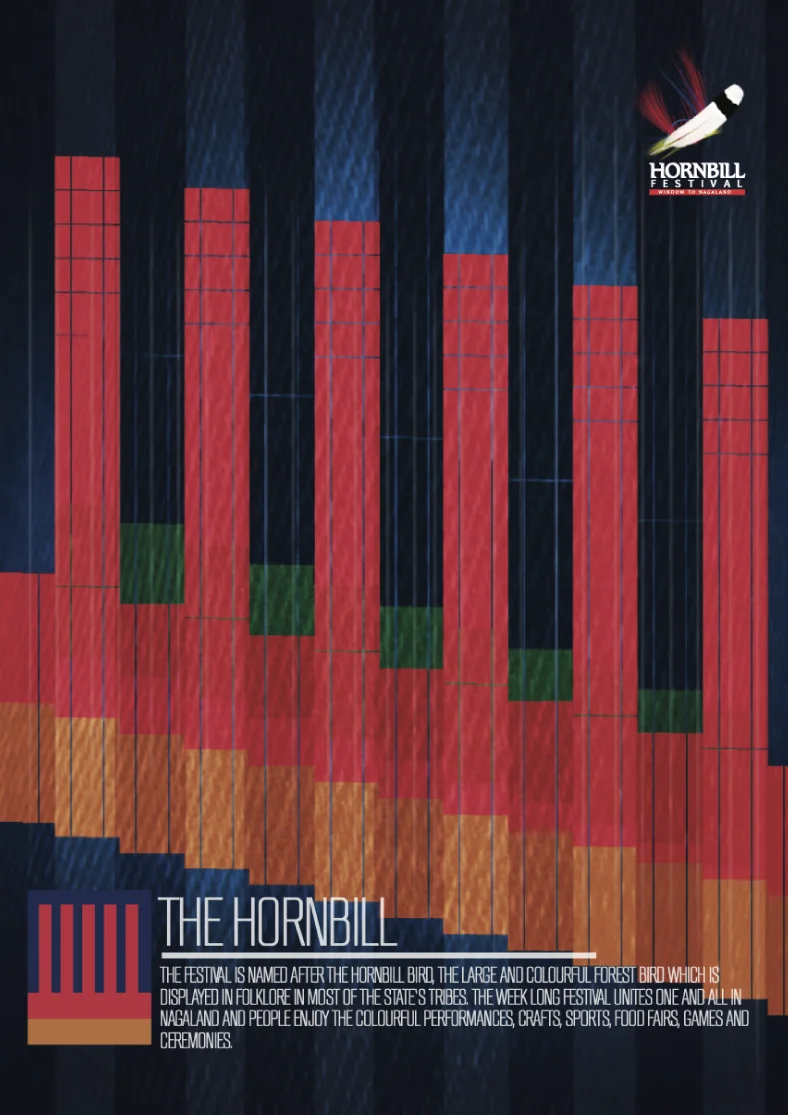
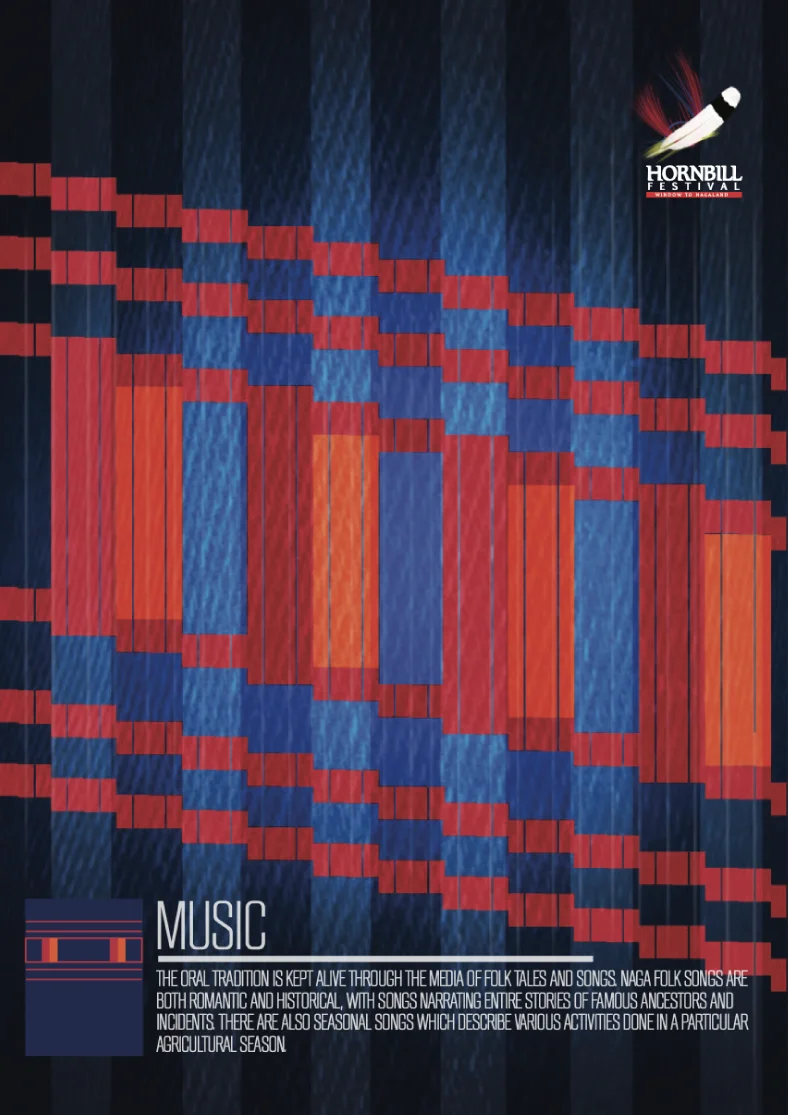
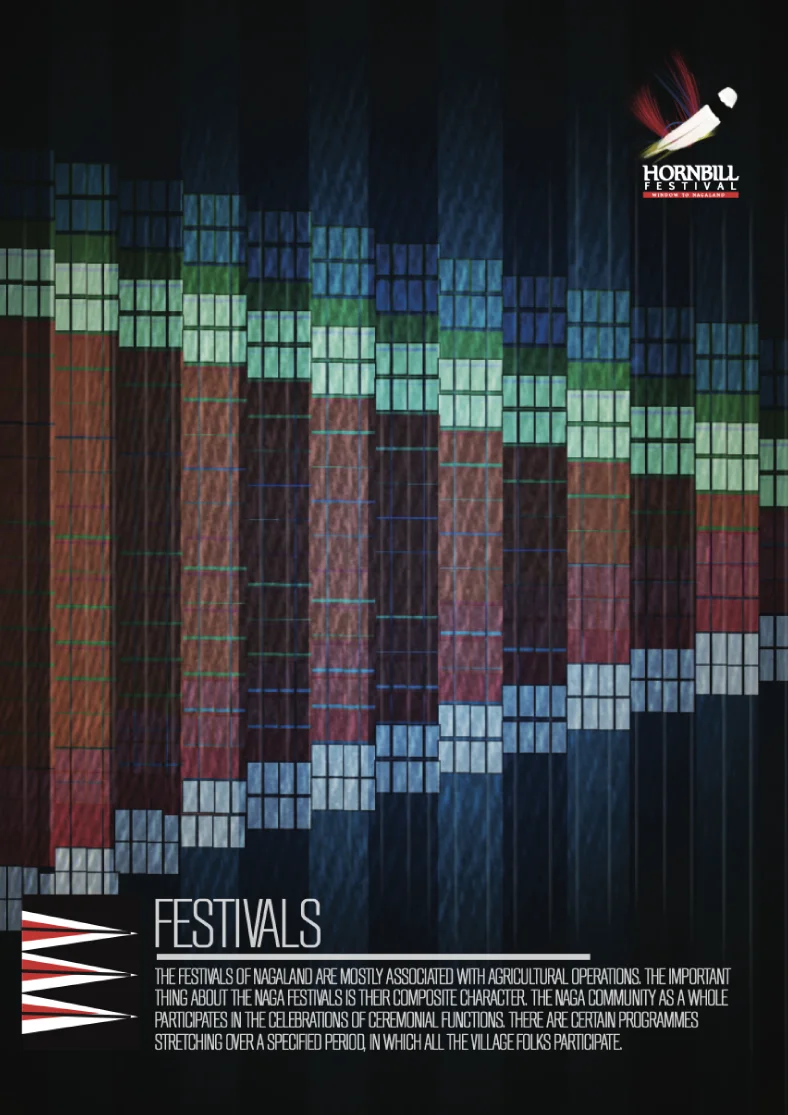
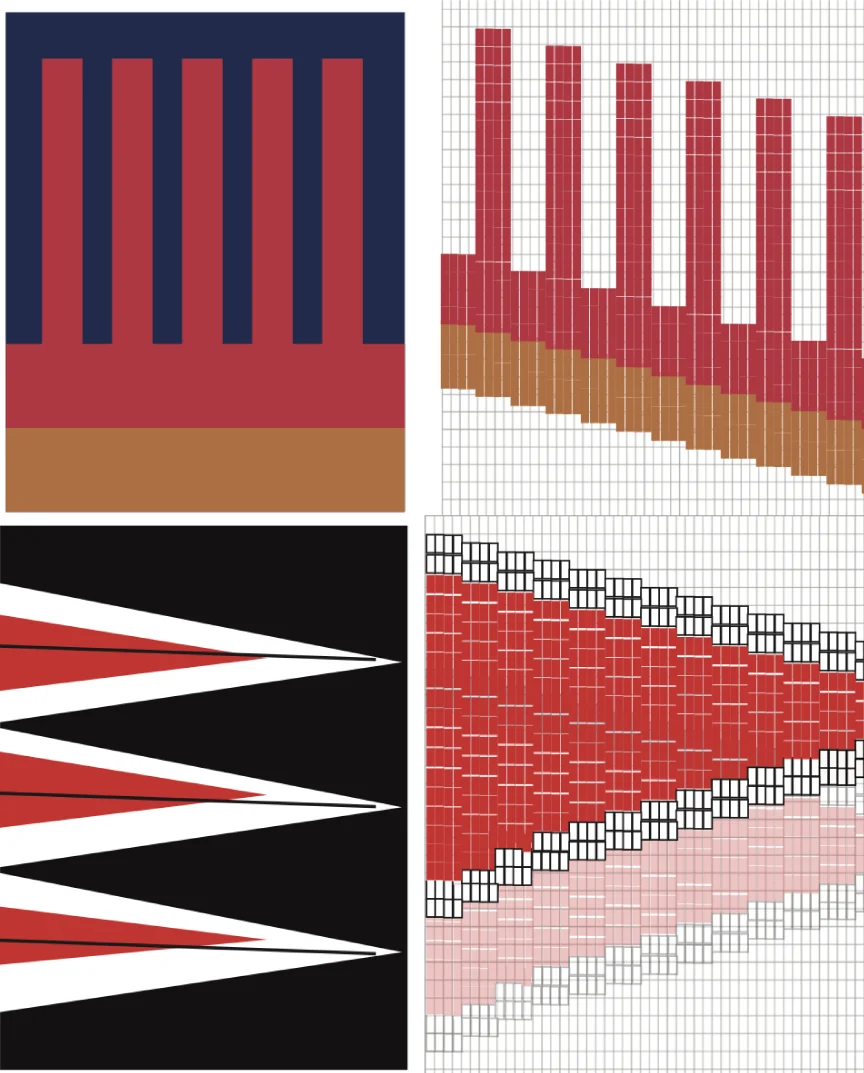
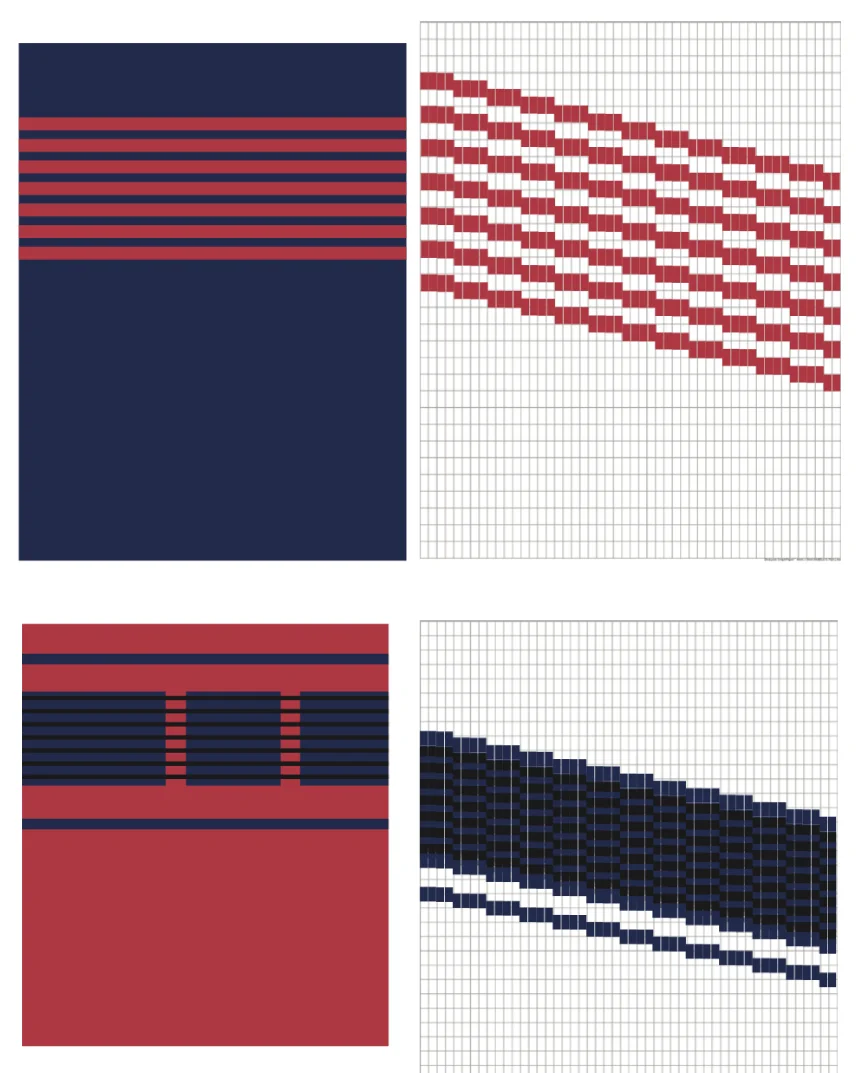
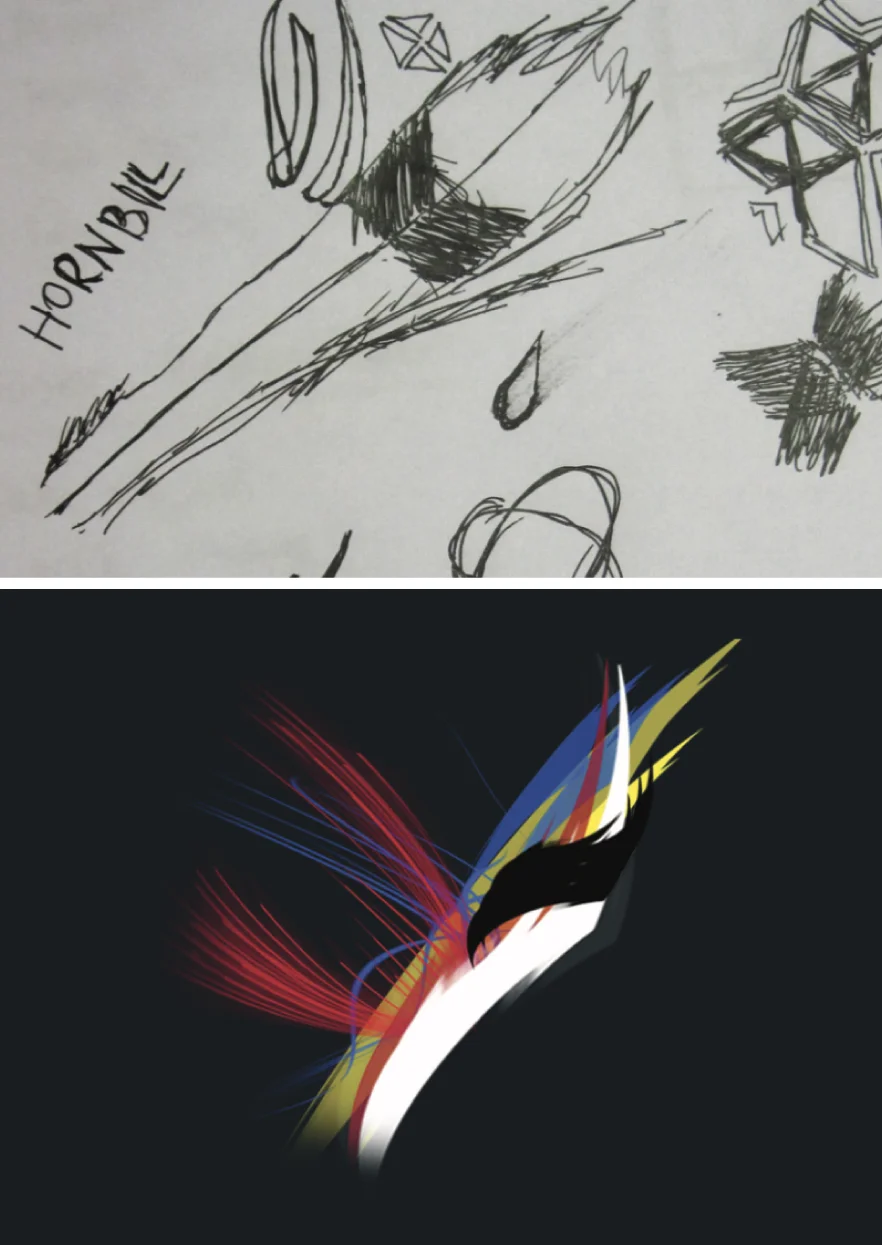
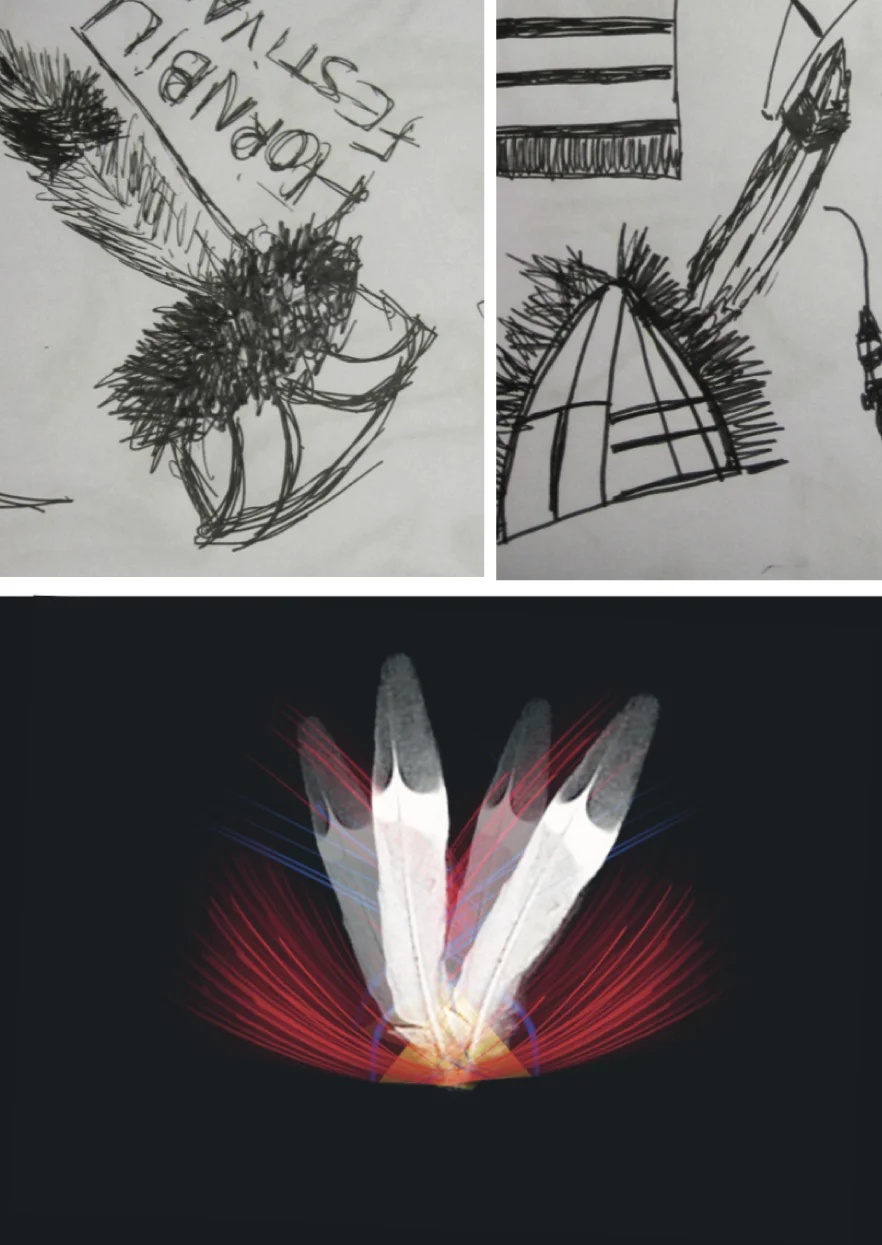
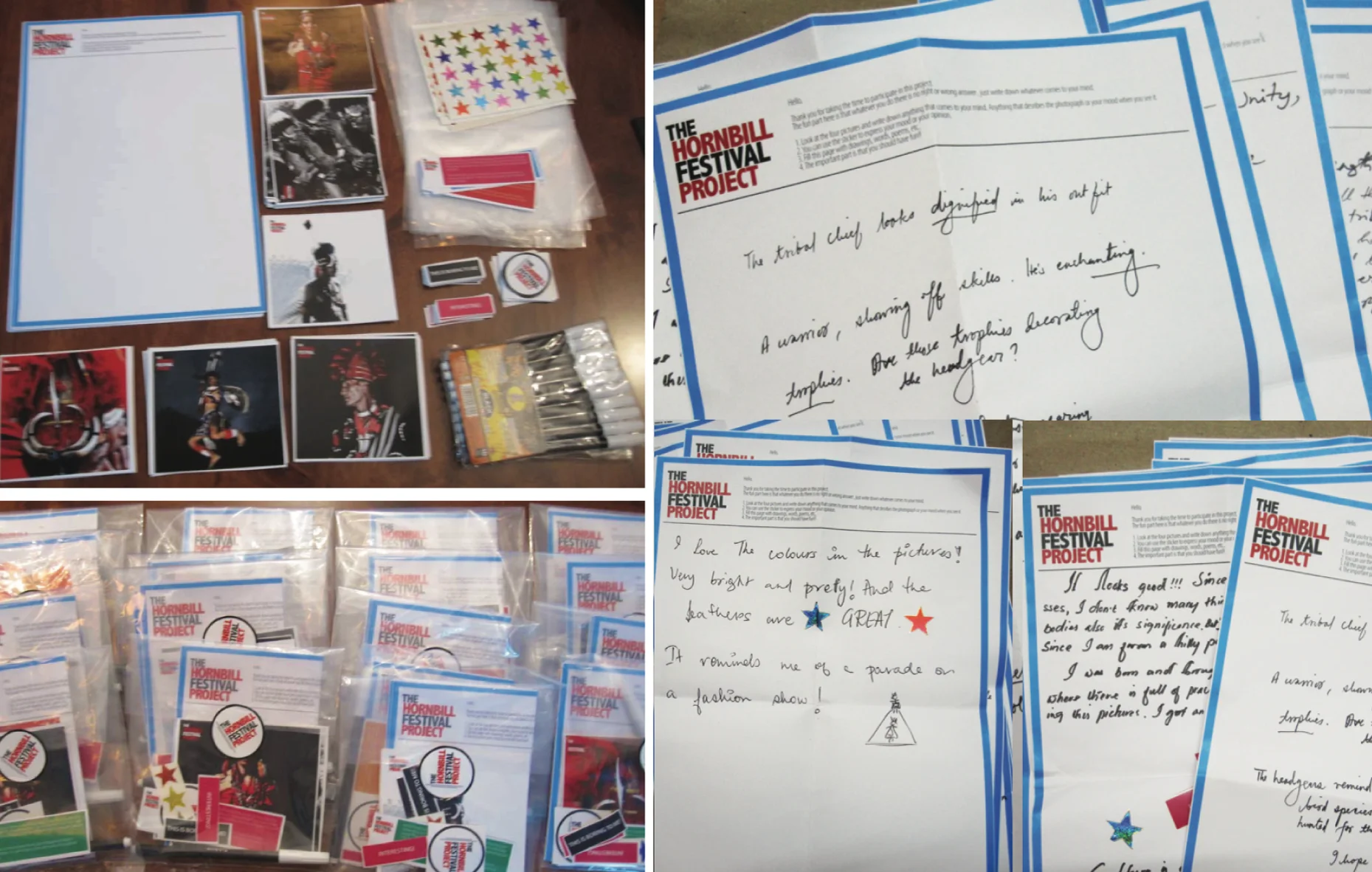
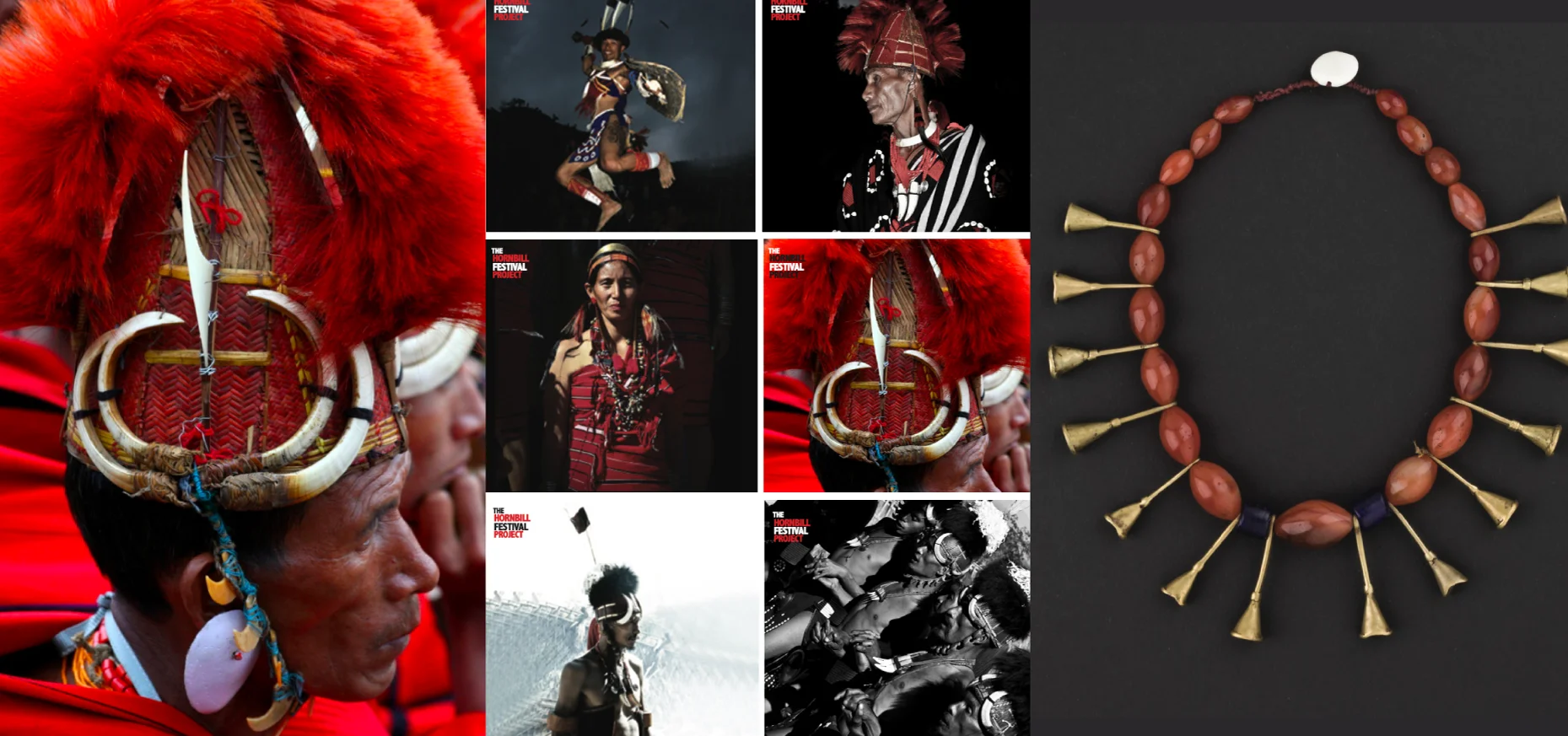
Nagaland has been a state that many people have not heard about, and the reason why is mostly because of the political situation in the state that makes it unreachable for tourist and outsiders to even connect with its local people and culture. The Hornbill Festival is a festival that is held every first week of December in Nagaland. The Hornbill Festival is like the Window to Nagaland. Nagaland has about 16 main tribes and all these tribes are spread around Nagaland making it impossible for anyone to cover it all in one time. Nagaland being my home and close to my heart, I always wanted to experiment with all the different tribe prints to come up with my own version for personal Design Experiment, and this interest led me to the Hornbill Festival Project. I felt the need to do a solid Branding project and still connect this with my interest for Tribal Prints of Nagaland. Since the Hornbill unites all of the 16 tribes of Nagaland, I felt this would give me an opportunity to study the prints more in depth and also study about the Naga culture. Cultural probes are also known as a diary study which is a way of gathering information about people and their activities. Unlike other observations like Questionnaires and traditional field studies, Cultural Probe allows users to self-report. Information gathered from cultural probes is particularly useful early in the design process. I wanted to use this approach to research my audience and to take a different route to researching. The Cultural Probe was distributed to people around Bangalore from students to working people. Packages were handed over with Paper, pen, mood stickers and photograph cards to look and reflect their opinions on it. It was an open project and they were allowed to write, draw and some even wrote a poem or two about what they felt looking at these pictures. The feedbacks I got varied from people’s opinion about cultures and identity, most wrote about the colors that caught their eye, some talked about power and strength and unity and some about the freedom of Nagaland. Some feedback Poems: “Is this just something you’d like to share with us? Is this a culture that makes you want to fly? Can we walk along with this feel of trust? Is this the place where you want to live and die?” “This is the strangest place I’ve ever heard of. I never thought I’d find a place like this. This is a place full of colors. A place you want to watch, smell, hear and touch…” Concept Development- The initial stages were of inspirations I picked up from the tribal shawls, the carved wooded panels and doors, to the hornbill feathers and the various Naga Tribal Headgears. I randomly chose patterns from the tribal shawls, not being specific which tribe, I was choosing from as I did not want to stick to one tribe print, my aim here was to even mix tribal prints to represent unity for the Hornbill Festival and to see what I can come up with The Logo Design – The great Indian hornbill, a large and colourful bird is considered a symbol of bravery in the folk culture of most Naga tribes. Its cry, which sounds like a roar, suggests strength and courage. Wearing a hornbill feather on the headgears implied honour for a Naga warrior during the headhunting days. I focused my logo design on the Hornbill Feathers and used bright colors to add elements of fun and character. I played around with many feather styles and brushes for the feather effects. After the prints were re-created in Illustrator, I started creating the poster designs and played around with many different effects in Photoshop. During my experiment I realized the prints were not standing out as it looked like any rectangle shapes pasted on the poster. I wanted the prints to have more depth in it. So I started using a graph paper to break apart the designs and laid it in each sections of the graph. During my research I have come to learn more about the tribal attires of Nagaland and the folklores that comes with it. I have gained more information about Nagaland and the Hornbill Festival then I did before this project. My fascination to recreate the tribal prints have led me to study different existing tribal prints in Nagaland and gave me more insight on Tribal Cultures and prints around the world. This was my Final Uni Project but I’m still intrigued in this topic and looking forward to deep diving more in the future.